Natural vs. Chemical Ripening: Why it Matters
Natural vs. Chemical Ripening: Why it Matters
In the rush to bring mangoes to the market early, many commercial sellers resort to Calcium Carbide—a hazardous chemical that artificially ripens fruit overnight. At our farms, we believe the best things in life take time.
The Problem with Chemicals
Chemical ripening doesn't just affect the taste; it poses serious health risks. Carbide contains traces of arsenic and phosphorus, which can lead to various health issues when consumed.
How to Spot Chemically Ripened Mangoes:
- Uniform Color: If a mango is perfectly yellow all over but has green patches or is hard inside, it's likely chemically treated.
- No Aroma: Chemically ripened mangoes often lack that characteristic "mango smell."
- Black Spots: They tend to develop black spots very quickly after purchase.
Our Traditional Method
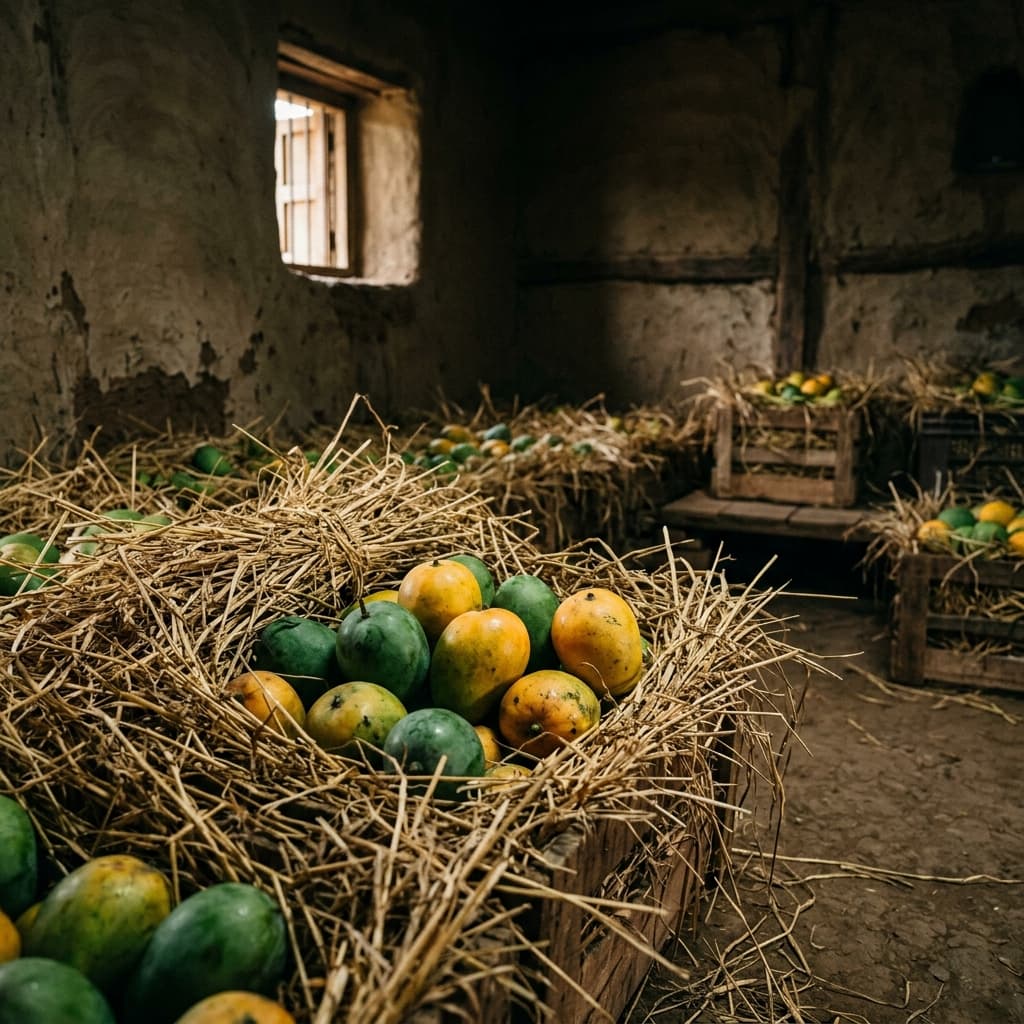
We use the "Aadi" method—a traditional technique where mangoes are harvested at the right stage of maturity and kept in dry straw (puaal) in a cool, ventilated room.
Benefits of Natural Ripening:
- Flavor Development: The natural sugars develop fully, resulting in a deeper, more complex sweetness.
- Safe for Kids: No toxic residues, just pure fruit.
- Longer Shelf Life: Naturally ripened mangoes stay fresh longer because their cellular structure remains intact.
"Patience is the secret ingredient in every mango we sell."
By choosing naturally ripened mangoes, you're not just getting better taste; you're supporting a safer food system for everyone.